
Stamens and Pistils
- Jun 17
- 2 min read
During March, April, and May we have been overwhelmed with birthdays, an anniversary, a university graduation, and end of school year events. Such busyness wore this old guy out.
Reflecting on all of this reminded me that some of us are the result of Spring weddings—my wife and I included.
Spring is also the time for flowers, trees, and bushes to create their own offspring. Knowing how beautiful their blossoms can be, I had an idea that photographing the natural reproduction parts might produce some beautiful results.
At the start, I knew the blossoms were beautiful, but I didn’t understand the details. I consulted a friend who knows more about horticulture that I ever will. She patiently took the time to help me identify the reproductive parts of various blossom internals.

I learned that the two key parts of a plant’s blossom are the stamens (the ‘male’ part) and the pistils (the ‘female’ part); however, I quickly discovered that different blossoms present these parts in different ways, a fact that confused me.
The images that follow are a few of the tree blossoms and flower blossoms that I was able to capture. This shows how much variance there is in the blossoms’ reproductive parts.


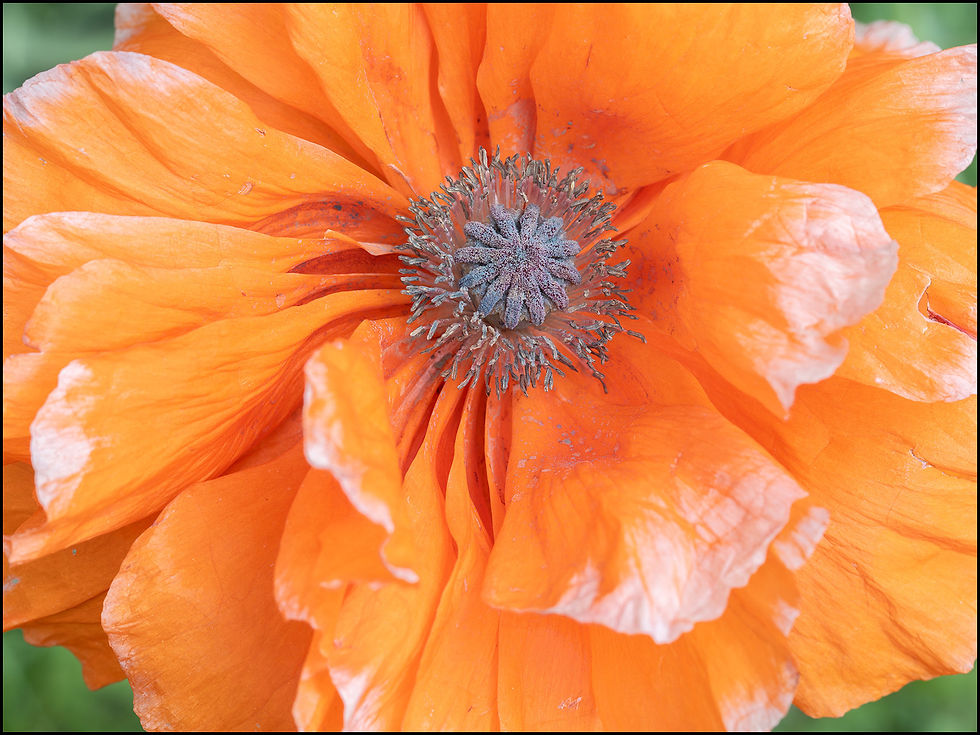


So that was my new horticulture learning experience this Spring. When I came up with this project I had no idea what a challenge it would be; however, it was fun and the results are pretty neat.
love all of theses flower shots !!!!
Lovely photos Jack. One of my pleasures in life is photographing flowers, particularly wildflowers, in their glory, and also looking at photos of flowers that others have taken such as yours here. Thanks for sharing these!
Ed
Stunning! Thanks for sharing.
And of course, self pollinating flowers have the male parts taller than the female while the ones requiring cross pollination have the female parts taller than the male. Life blends itself for nice photos - Nice.
What an amazing wonderful world. Thanks for bringing it up close.